Water Damage Content Restoration in West Yarmouth, MA
The pipe let go in the family cottage in Dennis Port in January, and nobody found it until March. The braided rugs your grandmother made are soaked through, the photo albums on the bottom shelf are stuck together, and the pine hutch has a white bloom across the bottom doors. We put you on the phone with an independent local provider who does water damage content restoration in Yarmouth and across Barnstable County.
What the crew does first
The crew walks the house with you and sorts what got wet by material and by how long it sat. Solid wood, metal, glass, and hard plastic go in one group. Upholstery, rugs, mattresses, and clothing go in another. Paper, photos, books, and electronics are their own group. Anything that sat in salt water or septic backflow is sorted again for contamination.
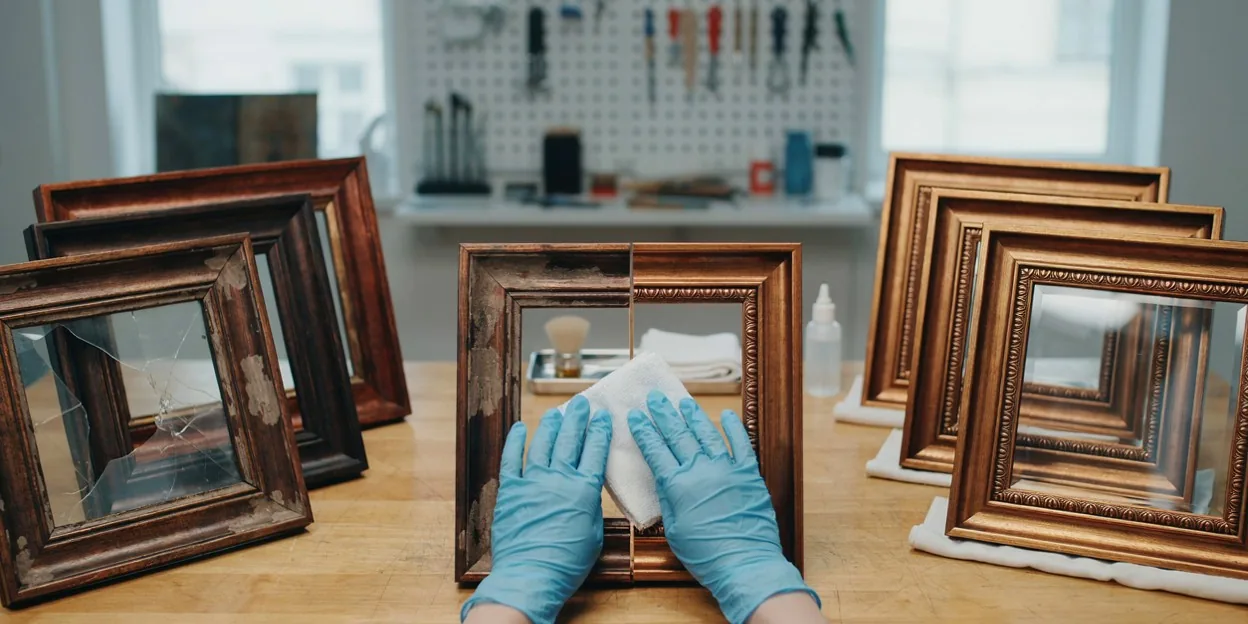
Then they write it down. A content inventory lists each item, its condition, and where it is going: dried on site, taken out for cleaning, stored, or discarded with your sign-off. Items leaving the house are photographed first. Rugs and textiles usually go out for washing and drying. Wood furniture is dried slowly so it does not crack. Papers and photos are frozen or air-dried in a controlled space before they are separated.
What to do in the next hour
Pull rugs, boxes, and anything you can lift off the wet floor and onto a dry surface. Do not stack wet books or peel apart stuck photos. Do not run a wet television or lamp. Open drawers and cabinet doors so air can reach the inside.
Take photos of everything before it is moved, including the labels on furniture and the contents of boxes. Do not throw anything out yet unless it is a health hazard. Then make the call.
What is usually saved and what is not
Solid wood furniture, most hard goods, and many rugs and textiles can be dried or cleaned, especially if the water was clean and the item was found within days. Photos and documents can often be saved if they are handled soon and not pulled apart wet. Upholstered furniture that soaked clean water can sometimes be dried.
Particleboard and laminate furniture, wet mattresses, and anything porous that sat in salt water or septic backflow usually cannot be saved. Electronics that got wet need a technician's look before they are plugged in. Ask the crew to explain each call before an item goes out the door, and to give you the written list. The house itself is handled as water extraction and structural drying, and salt water losses are handled as flood cleanup.
Barnstable County notes
Cape houses are full of things that do not travel well when wet. Second homes hold the overflow from a family's main house: the older furniture, the photo albums, the books, the summer rugs, and the boxes in the crawl space or the attic. Because so many losses here start in an empty cottage, the belongings sit in water for weeks before anyone knows, and the sea air keeps them from drying on their own.
Salt water is the other Cape problem. When Lewis Bay or Nantucket Sound comes into a first floor in a nor'easter, everything it touched is contaminated, and the sorting is stricter. The January 2018 storm and the winter storms of 2023 and 2024 left first-floor furniture in Provincetown, Chatham, and the Route 28 low spots in exactly that condition. Motel and condominium owners along Route 28 often have a whole unit's worth of furniture to sort at once.
Many homeowner policies cover contents after a sudden loss such as a burst pipe, usually with a separate limit from the building. Water from outside is a flood policy matter. Ask the crew for the content inventory with photos, because that is what your adjuster works from. Items you decide are not worth saving still belong on the list.
Calling about content restoration
Say what got wet and roughly how long it sat, and whether the water was clean, salt, or from the septic system. Mention rugs, photos, papers, or furniture that matter to you, and say whether the house is a year-round home or a second home. Say if the building itself still needs drying. Call (508) 419-9161 now and tell us what you see.